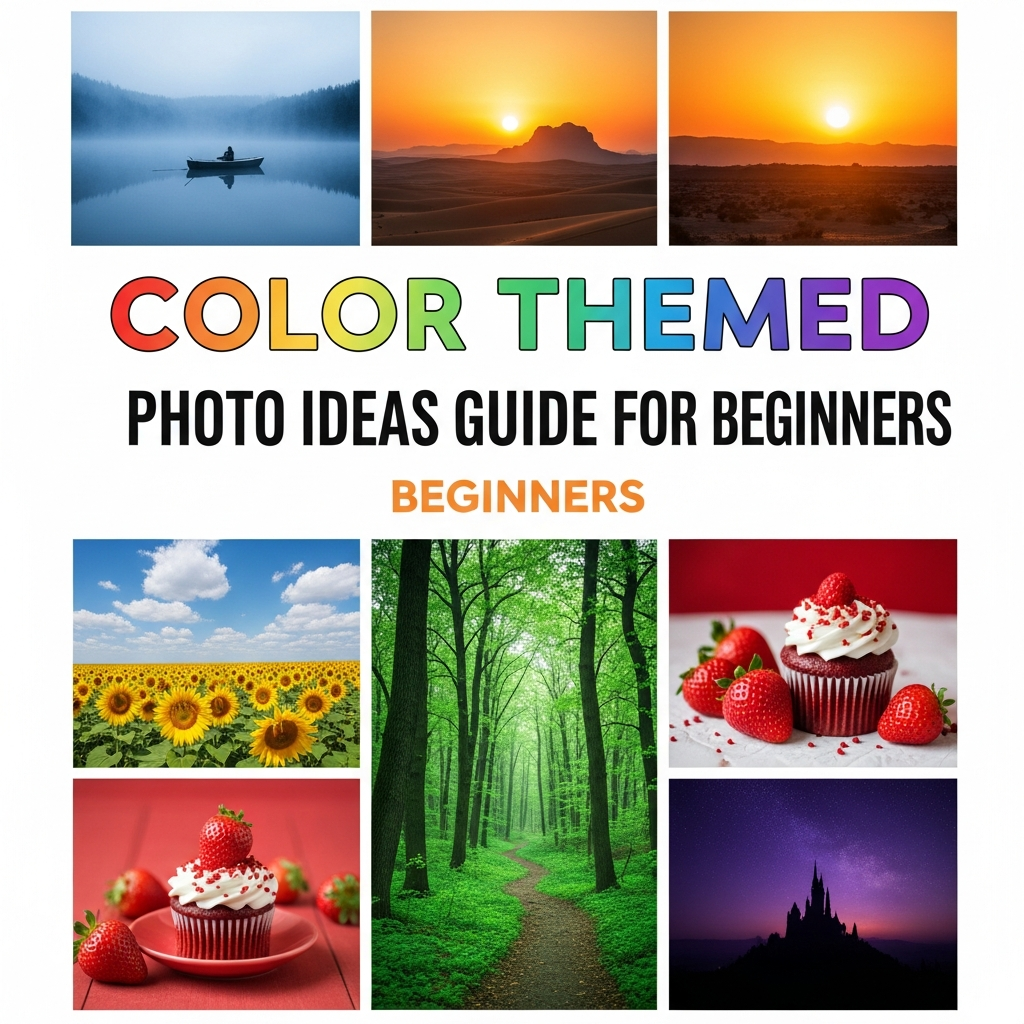
Color Themed Photo Ideas: A Comprehensive Guide for Beginners
Color is one of the most powerful tools in a photographer’s arsenal. It has the unique ability to evoke specific emotions, tell a story without words, and create a sense of visual harmony that captivates the viewer. If you are just starting your journey into the world of photography, mastering color themed photo ideas is a fantastic way to transition from taking simple snapshots to creating intentional works of art.
In this extensive guide, we will explore everything you need to know about color-themed photography. From understanding basic color theory to executing your first professional-looking shoot, this guide is designed to provide you with actionable insights and creative inspiration.
Understanding the Power of Color Theory
Before you start pressing the shutter button, you must understand the “why” behind the colors you choose. Color theory is not just for painters; it is the foundation of high-end visual storytelling.
The Color Wheel Basics
The color wheel is a visual representation of colors arranged according to their chromatic relationship. For beginners, focusing on these three categories is essential:
- Primary Colors: Red, Yellow, and Blue. These are the base colors that cannot be created by mixing others.
- Secondary Colors: Green, Orange, and Purple. These are created by mixing primary colors.
- Tertiary Colors: These are the “in-between” shades, like blue-green or red-orange, which add depth to your palette.
Color Psychology in Photography
Every color carries a psychological weight. When planning your color themed photo ideas, consider what you want your audience to feel:
- Red: Passion, energy, danger, or intensity.
- Blue: Calmness, sadness, stability, or coldness.
- Yellow: Happiness, optimism, and warmth.
- Green: Nature, growth, health, and tranquility.
Popular Color Themed Photography Concepts
To help you get started, let’s break down the most effective color schemes used by professional photographers. These concepts will serve as the blueprint for your creative projects.
1. Monochromatic Photography
Monochromatic photography focuses on a single color in various shades, tones, and tints. This is perhaps the most popular among aesthetic photo shoots because it creates a clean, sophisticated look.
To execute this, you might choose the color “Blue.” Your subject could wear a navy coat, standing against a light blue wall, holding a turquoise umbrella. The lack of color variety forces the viewer to focus on textures, shapes, and lighting.
2. Complementary Color Schemes
Complementary colors are those located directly opposite each other on the color wheel. Examples include Orange and Blue, or Red and Green.
These pairings create high contrast and high energy. A classic example is the “Teal and Orange” look often seen in Hollywood movies. This scheme makes the subject “pop” significantly against the background, creating a vibrant and dynamic image.
3. Analogous Color Themes
Analogous colors are those that sit next to each other on the color wheel, such as Yellow, Yellow-Orange, and Orange.
This approach creates a very harmonious and serene feeling. It mimics the natural transitions found in nature, such as a sunset or a forest in autumn. It is less jarring than complementary colors and is perfect for soft, lifestyle photography.
4. Triadic Color Themes
A triadic color scheme uses three colors that are evenly spaced around the color wheel (e.g., Red, Yellow, and Blue).
This is a bold choice that offers a lot of visual variety while maintaining balance. It is often used in fashion and pop-art inspired photography to create a playful and vibrant atmosphere.
Step-by-Step Guide to Planning Your Color-Themed Shoot
Planning is the difference between a messy photo and a masterpiece. Follow these steps to ensure your color themed photo ideas come to life effectively.
Step 1: Define Your Concept and Mood
Start with a mood board. Use platforms like Pinterest or Instagram to collect images that resonate with the vibe you want to achieve. Ask yourself: Is this shoot energetic? Melancholic? Minimalist? Your choice of color will depend entirely on this answer.
Step 2: Selecting Your Primary Palette
Choose one or two dominant colors. As a beginner, it is often easier to start with a monochromatic photography setup or a simple two-color complementary palette. Avoid using too many colors at once, as this can lead to a cluttered and distracting composition.
Step 3: Sourcing Props and Backdrops
The environment is just as important as the subject. If you are doing a studio shoot, look for colored seamless paper backdrops. If you are shooting on location, look for walls, doors, or natural elements that match your palette.
- Props for color themes: Fabrics, flowers, fruits, books, and even colored lighting gels can help reinforce your theme.
- Wardrobe: Ensure your subject’s clothing aligns with the color scheme. Even a small “off-color” accessory can ruin the harmony of the shot.
Step 4: Managing Lighting for Color Accuracy
Lighting dramatically affects how colors appear.
- Golden Hour: Provides warm, orange/yellow tones.
- Overcast Days: Provide soft, neutral light that makes colors look saturated and true to life.
- Artificial Light: Use LED panels with adjustable RGB settings to “paint” your scene with specific hues.
Creative Color Themed Ideas to Try Right Now
If you are feeling stuck, here are five specific projects you can try this weekend to practice your skills.
The “Red Passion” Portrait
Focus entirely on the color red. Use a red background, have your model wear red lipstick and a red dress. To add depth, use a single light source to create deep shadows. This emphasizes the intensity of the color.
The “Urban Teal” Street Session
Go into the city and look for modern architecture, glass buildings, or shadows. Use post-processing to shift the blues toward teal and the highlights toward a warm orange. This creates a cinematic, futuristic look.
Minimalist Pastel Still Life
Find three objects of the same pastel color (e.g., light pink). Arrange them on a white or matching pink surface. Focus on the geometry and the softness of the light. This is an excellent exercise in minimalist color photography.
Nature’s Analogous Palette
Head to a park or forest. Look for the transition of greens to yellows or browns. Capture the way light filters through the leaves. This teaches you how to find color themes in the “wild” without artificial props.
The “Color Pop” Technique
In a neutral, gray, or black-and-white environment, introduce one single, brightly colored object. For example, a person holding a bright yellow balloon in a gray alleyway. This draws the viewer’s eye instantly to the point of interest.
Essential Gear and Settings for Color Photography
While you don’t need the most expensive camera, certain settings will help you capture colors more accurately.
1. Shoot in RAW Format
This is non-negotiable for color-themed photography. RAW files preserve all the data captured by the sensor, allowing you to manipulate colors during post-processing without losing quality.
2. White Balance Mastery
Your camera’s White Balance (WB) determines how “warm” or “cool” the colors appear. While “Auto White Balance” is convenient, setting it manually (e.g., “Daylight” or “Tungsten”) ensures consistency across all shots in your series.
3. Using a Polarizing Filter
A circular polarizer can reduce glare and reflections, which naturally increases the saturation of colors, especially in skies and foliage.
Editing and Post-Processing for Color Harmony
The magic often happens in the editing room. Software like Adobe Lightroom or mobile apps like VSCO are essential for refining your color palette inspiration.
The Power of the HSL Slider
The HSL (Hue, Saturation, Luminance) panel is your best friend.
- Hue: Change the “shade” of a color (e.g., making a yellow-green more true green).
- Saturation: Increase or decrease the intensity of a specific color.
- Luminance: Adjust the brightness of a specific color.
Color Grading vs. Color Correction
Color correction is the process of making the photo look “natural” (fixing white balance and exposure). Color grading is the creative process of applying a “look” or “mood” to the photo. For color-themed shoots, grading is where you emphasize your chosen palette.
Consistency is Key
If you are creating a series of photos, ensure they all use the same color grade. This creates a cohesive “story” and makes your portfolio look professional.
Common Mistakes Beginners Make
Even with the best intentions, it is easy to fall into these common traps:
- Over-Saturation: Pushing the saturation slider too far can make colors look “neon” and fake. Aim for a natural vibrancy.
- Clashing Colors: Sometimes, an accidental color in the background (like a bright red fire hydrant in a soft blue shoot) can distract the viewer. Always check your frame for “intruder” colors.
- Ignoring Skin Tones: When you heavily edit colors, skin tones can often turn orange or green. Always use masks to protect the natural look of your subject’s skin.
- Poor Lighting: Muddy light leads to muddy colors. Ensure your light is bright enough to let the colors shine.
Conclusion
Starting with color themed photo ideas is one of the most rewarding ways to grow as a photographer. It trains your eyes to see the world differently—not just as objects and people, but as a collection of hues and harmonies.
Remember, the best way to learn is through experimentation. Start small with a monochromatic project, learn how light interacts with those hues, and gradually move toward more complex schemes like triadic or complementary palettes. By being intentional with your colors, you are no longer just taking pictures; you are creating a visual experience.
Frequently Asked Questions (FAQ)
What is the easiest color theme for a beginner?
The monochromatic theme is generally the easiest. It requires you to find only one color, which simplifies the process of sourcing props and backdrops while ensuring a cohesive look.
Do I need an expensive camera for color photography?
No. Most modern smartphones and entry-level DSLR/Mirrorless cameras have excellent color reproduction. The key is understanding lighting and post-processing rather than having the most expensive sensor.
How do I find color inspiration?
Look at interior design magazines, classic cinema, and nature. Nature, in particular, always provides perfect color palettes, such as the blues and oranges of a sunset or the various greens of a forest.
Can I do color-themed photography at home?
Absolutely. You can use colored construction paper as backgrounds for small objects or use colored light bulbs (RGB bulbs) to change the mood of a room for portraits.
Why do my colors look different on my phone vs. my computer?
This is due to screen calibration. Every device displays color slightly differently. For professional results, many photographers use a screen calibration tool to ensure their monitor displays “true” colors.