The Ultimate Beginner’s Guide to Art Galleries and Exhibitions in New York
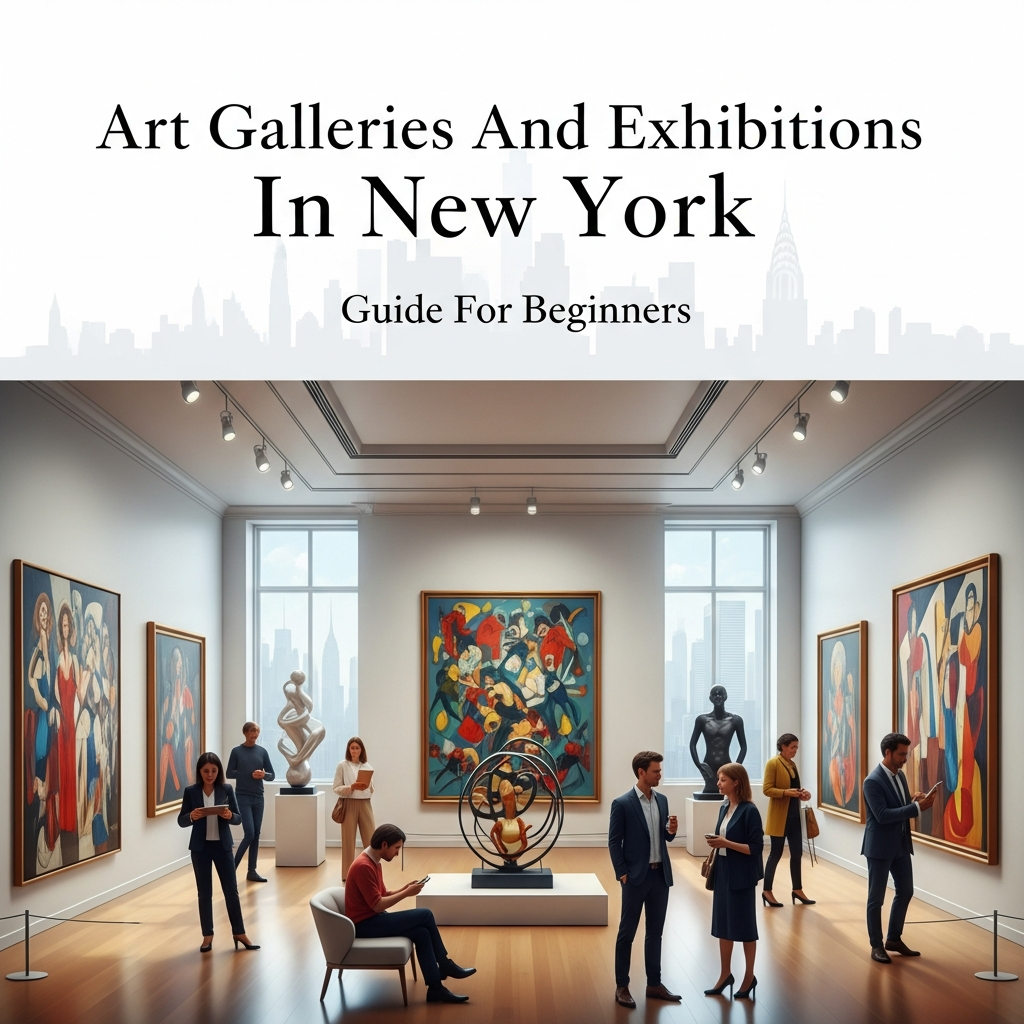
New York City is widely regarded as the epicenter of the global art world. For a beginner, however, the sheer scale of the NYC art scene can feel overwhelming. With over 1,500 galleries spread across various neighborhoods, knowing where to start, what to wear, and how to behave is essential for a rewarding experience.
This guide serves as your comprehensive roadmap to navigating art galleries and exhibitions in New York. Whether you are looking to admire contemporary masterpieces or discover emerging talent, you will find everything you need to know to explore the city’s vibrant cultural landscape with confidence.
Understanding the New York City Art Landscape
Before you step onto the pavement, it is crucial to understand that the New York art world is not a single entity. It is a collection of distinct “hubs,” each with its own personality, price point, and artistic focus. Unlike museums, which often charge admission and house historical collections, New York art galleries are primarily commercial spaces that offer free entry to the public.
The Major Art Districts
To maximize your time, you should focus your visit on specific neighborhoods. Here is a breakdown of the primary districts you must visit:
1. Chelsea: The Global Epicenter
Located between 14th and 34th Streets on the West Side of Manhattan, Chelsea is home to the highest concentration of world-class galleries. This is where you will find “blue-chip” galleries—the heavyweights of the industry.
- What to expect: Large, warehouse-style spaces with high ceilings and museum-quality installations.
- Key Galleries: Gagosian, David Zwirner, Pace Gallery, and Hauser & Wirth.
- The Vibe: Professional, sleek, and high-stakes.
2. The Upper East Side (UES): Elegance and History
The Upper East Side offers a more traditional and intimate viewing experience. Many galleries here are housed in historic townhouses.
- What to expect: Secondary market works (resale of famous artists), modern masters, and high-end antiques.
- Key Galleries: Acquavella Galleries, Gagosian (980 Madison), and Lévy Gorvy Dayan.
- The Vibe: Sophisticated, quiet, and prestigious.
3. The Lower East Side (LES) and Tribeca: The Cutting Edge
If you are interested in what is happening now, the LES and Tribeca are the places to be. These neighborhoods have become the preferred destination for younger galleries and experimental art.
- What to expect: Emerging artists, provocative themes, and smaller, more experimental spaces.
- Key Galleries: Canada, Perrotin, and Grimm Gallery.
- The Vibe: Trendy, energetic, and accessible.
Gallery vs. Museum: A Vital Distinction for Beginners
Many visitors confuse art exhibitions in New York held in museums with those in galleries. Understanding the difference will change how you plan your day.
Museums (e.g., The Met, MoMA, Whitney):
- Admission: Usually requires a paid ticket or a suggested donation.
- Purpose: To preserve history and educate the public.
- Experience: Often crowded, follows a curated historical narrative, and includes permanent collections.
Art Galleries:
- Admission: Almost always free.
- Purpose: To represent living artists and sell their work.
- Experience: More intimate, focused on a single artist or a specific theme, and exhibitions change every 4 to 6 weeks.
Step-by-Step Guide: How to Visit a New York Art Gallery
Walking into a high-end gallery can be intimidating. Follow these steps to ensure a seamless and enjoyable visit.
Step 1: Research Current Exhibitions
Galleries rotate their shows frequently. Before you head out, use digital tools to see what is currently on display.
- Download Apps: “See Saw” is the industry standard app for mapping out gallery walks in NYC.
- Check Listings: Consult The New York Times Art section or Artforum’s Guide for current “must-see” shows.
Step 2: Check the Hours
Most NYC galleries operate on a specific schedule: Tuesday through Saturday, 10:00 AM to 6:00 PM.
- Note: Most galleries are closed on Sundays and Mondays. If you are planning a weekend trip, Saturday is your primary day for gallery hopping.
Step 3: Plan Your Route
Do not try to see everything in one day. Choose one neighborhood (e.g., Chelsea) and stick to it. In Chelsea, you can easily visit 10 to 15 galleries within a four-block radius.
Step 4: The Entry Protocol
Simply walk in. You do not need to check in with the person at the front desk (often called the “gallery sitter”). They are there to answer questions if you have them, but they will generally leave you alone to enjoy the art.
Step 5: Collect the Press Release
Near the entrance, you will usually find a stack of papers. This is the press release. It provides the context for the exhibition, the artist’s biography, and the philosophical intent behind the work. Reading this will significantly enhance your understanding of the show.
Art Gallery Etiquette: The Unspoken Rules
To feel like an insider rather than a tourist, you should adhere to the following etiquette guidelines:
- Do Not Touch the Art: This may seem obvious, but even the oils from your skin can damage a canvas or sculpture. Stay at least 12 inches away from the works.
- Photography Policy: Most galleries allow non-flash photography for personal social media use. However, always look for a “No Photography” sign or ask the front desk if you are unsure.
- Keep Your Voice Low: Galleries are spaces for reflection. Avoid loud phone conversations or boisterous shouting.
- Avoid Large Bags: Many galleries have narrow passages. If you are carrying a large backpack, wear it on your front or carry it by your side to avoid accidentally bumping into a million-dollar painting.
- The Price List: If you are curious about the cost of the art, you can ask the front desk for a “checklist” or “price list.” It is perfectly acceptable for a beginner to look at prices, even if you have no intention of buying.
Major Annual Art Events You Should Know
If you want to see the NYC art scene at its most electric, you should time your visit around these major annual events:
The Armory Show (September)
One of the world’s leading art fairs, held at the Javits Center. It brings together hundreds of galleries from around the globe under one roof. It is a fantastic way to see a massive variety of art in a single day.
Frieze New York (May)
Located at The Shed in Hudson Yards, Frieze is a high-profile fair that attracts top-tier collectors and celebrities. It focuses heavily on contemporary works and high-concept installations.
Gallery Openings (Thursday Nights)
Most new exhibitions debut on Thursday evenings (usually between 6:00 PM and 8:00 PM). These openings are free, open to the public, and often feature wine, music, and the opportunity to meet the artist.
Tips for Beginners: How to “See” Art
Viewing art is a skill that improves with practice. Here are a few tips to help you move beyond just “looking” at a painting:
- The 30-Second Rule: Most people look at a work of art for less than three seconds. Try standing in front of a piece for at least 30 seconds. You will notice details—brushstrokes, textures, hidden symbols—that were invisible at first glance.
- Ask “Why?”: Instead of asking “Is this good?”, ask “Why did the artist choose these colors?” or “What emotion is this trying to evoke?”.
- Trust Your Instincts: You do not have to like everything. Part of the fun of visiting art exhibitions in New York is discovering your own personal taste. It is okay to think a famous artist’s work is unappealing.
Frequently Asked Questions (FAQ)
Is it really free to visit art galleries in NYC?
Yes. Unlike museums, commercial art galleries in New York are free to the public. You do not need a ticket, and there is no obligation to purchase anything.
What should I wear to a gallery?
There is no formal dress code. You will see people in everything from high-fashion suits to jeans and sneakers. However, “smart casual” is usually the safest bet. The most important thing is to wear comfortable walking shoes.
Can I buy art as a beginner?
Absolutely. While many Chelsea galleries sell works for hundreds of thousands of dollars, galleries in the Lower East Side or Bushwick often feature works by emerging artists starting at $500 to $2,000.
Are children allowed in art galleries?
Yes, children are welcome. However, because galleries are quiet spaces with fragile items at eye level, you must ensure your children are supervised at all times and do not touch the artworks.
How do I find out about “Pop-up” exhibitions?
Pop-up exhibitions are temporary shows often held in non-traditional spaces. The best way to find these is through Instagram by following hashtags like #NYCArt, #NYCGallery, or following local curators.
Conclusion: Embracing the Experience
Navigating the world of art galleries and exhibitions in New York is one of the most enriching experiences the city has to offer. It provides a window into the creative soul of the world and allows you to witness history in the making.
Remember, every expert was once a beginner. Do not be intimidated by the “white cube” environment or the silence of the rooms. The art is there to be seen, debated, and enjoyed. By following this guide, you are now ready to step into the Chelsea streets or the UES townhouses and start your journey through the magnificent New York art world.
Start small, stay curious, and most importantly, keep walking. Your next favorite artist is likely waiting just around the corner in a small gallery you haven’t discovered yet.